The evolution of gambling A journey through history’s pivotal moments

The evolution of gambling A journey through history’s pivotal moments

Ancient Beginnings of Gambling

The origins of gambling can be traced back to ancient civilizations, where games of chance were integrated into cultural practices. Archaeological findings suggest that as far back as 3000 BC, the Chinese were playing dice games. The practice evolved through various cultures, including the Greeks and Romans, who used gaming as a form of entertainment and social interaction. In these societies, gambling was often tied to religious rituals, and fortunes could be decided with a simple roll of the dice. Today, many players enjoy exploring platforms, such as a telegram casino, which are shaped by this long history.

Gambling in ancient Rome was particularly notable, with evidence showing that public games were organized to entertain crowds. The Romans embraced various forms of betting, from chariot races to gladiatorial combats. These events provided not only excitement but also a means of social cohesion and community engagement. This early form of gambling laid the groundwork for modern practices, revealing humanity’s long-standing attraction to chance and risk.

As gambling practices spread through trade and conquests, they began to incorporate local customs and technologies. For example, dice were made from different materials, and card games emerged in Asian cultures, influencing Western gaming traditions. This interplay of ideas across civilizations set the stage for the diverse forms of gambling we see today, highlighting its deep-rooted significance in human society.

Medieval and Renaissance Innovations

The medieval period brought significant changes to gambling, particularly with the introduction of card games in Europe. By the 14th century, playing cards made their way from Asia to the European continent, leading to the development of popular games such as poker and blackjack. These games became staples in taverns and gambling houses, attracting players from all walks of life. The increasing popularity of card games demonstrated a shift from traditional betting methods, as strategy and skill began to play a more prominent role.

The Renaissance also saw the rise of gambling as a regulated industry. In England, laws were implemented to govern betting activities, particularly on horse racing. This regulatory framework indicated a growing recognition of gambling as both a pastime and a lucrative business. The establishment of licensed betting houses marked a significant milestone, as they provided a controlled environment for gamblers, promoting fairness and responsibility.

Additionally, this era witnessed the creation of the first official lottery, which was established in the Low Countries during the 15th century. The lottery served not only as a source of entertainment but also as a means of funding public projects, illustrating how gambling could benefit society. These developments during the medieval and Renaissance periods paved the way for more structured gambling practices, further intertwining it with social and economic systems.

The Age of Enlightenment and Regulation

The Age of Enlightenment in the 18th century brought about a critical reevaluation of gambling and its societal implications. Thinkers and philosophers began to explore the moral and ethical aspects of gambling, leading to debates on its legality and impact. Countries started enacting laws to regulate gambling, as the potential for addiction and fraud became more apparent. This period marked the beginning of organized gambling, with gaming houses and betting establishments requiring licenses to operate.

The establishment of official lotteries continued to gain traction during this time, with various European nations implementing them to support public services. The French lottery, for instance, played a crucial role in financing the military and other essential projects. These developments showcased how gambling could serve both personal enjoyment and societal needs, creating a complex relationship between individual liberty and collective responsibility.

Furthermore, this era saw innovations in gaming technology, including the introduction of roulette and other table games. These games not only enhanced the gambling experience but also contributed to a growing gambling culture that spread across Europe and beyond. The changing perceptions of gambling during the Enlightenment laid the groundwork for modern regulations and attitudes toward gambling, highlighting the importance of responsible gaming practices.

Technological Advancements in the 20th Century

The 20th century was a turning point for gambling, as technological advancements revolutionized the industry. The invention of the slot machine in the late 19th century laid the foundation for modern gambling establishments. With the introduction of electronic machines in the mid-20th century, casinos transformed into entertainment hubs, attracting a diverse range of players. The convenience and excitement of these machines marked a significant departure from traditional table games, appealing to a broader audience.

The advent of the internet further revolutionized gambling in the late 20th and early 21st centuries. Online casinos emerged, providing unprecedented access to a vast array of games from the comfort of home. This shift not only democratized gambling but also created new challenges, such as issues surrounding regulation, age verification, and responsible gambling. The ability to gamble online has fundamentally altered the landscape, making it crucial for players to understand the risks and benefits of this new medium.

Moreover, mobile technology has further enhanced the gambling experience. With smartphones and tablets, players can now engage with their favorite games on-the-go. This accessibility has led to a surge in the number of players and has prompted the industry to innovate constantly. The intersection of technology and gambling has not only changed how games are played but also how they are marketed and regulated, ensuring that the industry continues to evolve with societal trends and technological advancements.
Exploring Modern Gambling Platforms

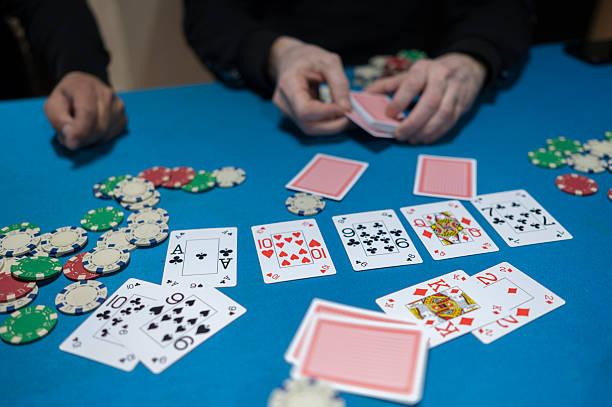
Today, the gambling industry is a multi-billion-dollar global enterprise, characterized by its diversity and innovation. Online casinos and betting platforms have proliferated, offering everything from sports betting to live dealer games. These modern platforms not only provide thrilling experiences but also prioritize user safety and fairness, thanks to licensing and regulation from reputable authorities. Gamblers now have access to a wealth of information and resources to help them make informed choices.

Additionally, many platforms employ advanced technologies such as blockchain and artificial intelligence to enhance security and user experience. Blockchain technology ensures transparent transactions, while AI algorithms can assist in personalizing the gaming experience, recommending games based on user preferences. These advancements highlight the industry’s commitment to improving player satisfaction while addressing potential concerns regarding fairness and addiction.

The rise of social gambling, where players can engage with friends or compete against others, has also gained popularity. This new trend reflects a shift towards a more interactive and community-oriented approach to gambling. By harnessing social media and online communities, modern gambling platforms are not just places to place bets but also venues for social interaction and engagement, thus enriching the overall experience for players.

Confrontare l'industria farmaceutica con altri settori quali sono le differenze principali

Confrontare l'industria farmaceutica con altri settori quali sono le differenze principali

Il modello di business dell’industria farmaceutica

L’industria farmaceutica si distingue per un modello di business complesso e altamente regolato. A differenza di altri settori, come quello alimentare o tecnologico, la ricerca e sviluppo di nuovi farmaci richiede investimenti significativi e tempi lunghi. Le aziende devono affrontare rigidi processi di approvazione da parte delle autorità sanitarie, il che implica che una mole di capitale e risorse venga dedicata alla sperimentazione clinica e alla compliance normativa. Per esempio, è utile esplorare come Elavil italia può influenzare le dinamiche di mercato e le decisioni terapeutiche.

Un’altra caratteristica unica del settore è la natura della sua offerta. Mentre in altri settori si può assistere a una competizione diretta sui prezzi, nell’industria farmaceutica, il focus è sulla creazione di farmaci innovativi. Questo porta a una situazione in cui i prodotti possono essere venduti a prezzi elevati, giustificati dall’innovazione e dalla protezione brevettuale. La concorrenza avviene quindi spesso tra farmaci simili, dove l’elemento differenziante è la qualità e l’efficacia del trattamento.

Infine, il mercato farmaceutico è caratterizzato da una forte interdipendenza tra ricerca, produzione e distribuzione. La scoperta di un nuovo farmaco non è solo il risultato di una ricerca innovativa, ma richiede anche un’efficace strategia di commercializzazione e una rete di distribuzione globale. Ciò lo differenzia da settori come quello della moda, dove la produzione e la distribuzione sono meno regolate e più flessibili.

Regolamentazione e standard di sicurezza

Uno degli aspetti più evidenti che differenziano l’industria farmaceutica da altri settori è la regolamentazione. Le normative in materia di sicurezza e efficacia dei farmaci sono tra le più severe a livello globale. Ogni nuovo prodotto deve passare attraverso fasi di test rigorosi per garantire che non solo sia efficace, ma che non presenti effetti collaterali gravi per i pazienti. Questo processo è fondamentale per la fiducia del consumatore e per la reputazione delle aziende farmaceutiche.

Al contrario, in settori come quello alimentare o della cosmetica, sebbene ci siano normative, i requisiti di sicurezza e test possono essere meno rigorosi. Ad esempio, un nuovo prodotto cosmetico può essere immesso sul mercato con meno controlli rispetto a un nuovo farmaco. Questa differenza nella regolamentazione può influenzare le strategie di marketing e la percezione del pubblico riguardo ai rischi associati a ciascun tipo di prodotto.

Inoltre, le aziende farmaceutiche devono investire in sistemi di farmacovigilanza per monitorare gli effetti dei farmaci anche dopo che sono stati immessi sul mercato. Questo è un aspetto cruciale che non sempre è presente in altri settori, dove la responsabilità per la sicurezza del prodotto può terminare una volta che il prodotto è venduto al consumatore.

Innovazione e ricerca nello sviluppo dei prodotti

La continua innovazione è un altro punto di distinzione dell’industria farmaceutica rispetto ad altri settori. Le aziende investono enormi risorse nella ricerca e sviluppo per scoprire nuove molecole e trattamenti. Il ciclo di vita di un farmaco è lungo e costoso, il che richiede un impegno costante in innovazione e miglioramento. Questo è particolarmente evidente nella ricerca su malattie rare o condizioni complesse, dove la domanda di nuovi trattamenti è elevata.

In settori come quello tecnologico, l’innovazione può avvenire in modo più rapido, con cicli di sviluppo più brevi. Le aziende possono lanciare nuovi prodotti annualmente o anche mensilmente, adattandosi rapidamente alle esigenze del mercato. Nell’industria farmaceutica, tuttavia, il tempo necessario per sviluppare e testare nuovi farmaci può richiedere più di un decennio, il che crea una diversità nei modelli di business e nelle strategie di mercato.

Un esempio di questa differenza è il modo in cui le aziende farmaceutiche gestiscono i brevetti. Le aziende si affidano ai brevetti per proteggere le loro invenzioni e garantire un ritorno sugli investimenti. Questo non è sempre il caso in altri settori, dove la protezione della proprietà intellettuale può essere meno rigorosa o meno necessaria per il successo del prodotto.

Impatto sociale ed etico dell’industria

Le considerazioni etiche rivestono un’importanza cruciale nell’industria farmaceutica. La questione dell’accesso ai farmaci, ad esempio, è un tema caldo. Mentre in altri settori il costo può essere un fattore di scelta, nell’industria farmaceutica si parla di salute e benessere, portando a dibattiti su equità e accessibilità. Le aziende sono sotto pressione non solo per generare profitti, ma anche per garantire che i loro prodotti siano accessibili a tutti, indipendentemente dalla situazione economica.

Inoltre, l’industria farmaceutica è spesso oggetto di critiche per quanto riguarda la pubblicità e il marketing. A differenza di altri settori, dove le campagne pubblicitarie possono enfatizzare il piacere o l’estetica di un prodotto, nel settore farmaceutico le pubblicità devono mantenere un certo livello di responsabilità e correttezza, trattando con delicatezza argomenti riguardanti la salute. Questo porta a un approccio molto più controllato e talvolta controverso nel promuovere i farmaci.

Le aziende sono anche tenute a gestire le relazioni con i professionisti della salute in modo etico, evitando pratiche che possano influenzare indebitamente le decisioni cliniche. Questa responsabilità etica non è sempre presente in modo così marcato in altri settori, dove le pratiche di marketing possono essere più flessibili e orientate al profitto.

Scoprire il nostro sito per l’acquisto di farmaci

Il nostro sito è dedicato a fornire informazioni dettagliate e servizi per l’acquisto di farmaci in modo sicuro e discreto. Comprendiamo le sfide del mercato farmaceutico e ci impegniamo a offrire un servizio che faciliti l’accesso ai farmaci necessari per migliorare il benessere delle persone. La nostra piattaforma è progettata per garantire che ogni cliente possa effettuare acquisti in modo informato e consapevole.

Offriamo una selezione di farmaci, inclusi quelli più richiesti come l’Elavil (Amitriptilina), noto per le sue proprietà terapeutiche nel trattamento di diverse condizioni di salute. Ci teniamo a garantire che il processo di acquisto sia semplice e conveniente, senza compromettere la sicurezza. La discrezione e la soddisfazione del cliente sono le nostre priorità.

Visitate il nostro sito per scoprire le opzioni disponibili e come possiamo assistervi nella vostra ricerca di salute e benessere. Siamo qui per fornire un servizio affidabile in un settore in continua evoluzione, garantendo sempre la qualità e la sicurezza dei nostri prodotti.

Psychologiczne skutki hazardu Jak gra wpływa na nasze decyzje

Psychologiczne skutki hazardu Jak gra wpływa na nasze decyzje

Definicja hazardu i jego popularność

Hazard to działania, które polegają na stawianiu pieniędzy lub cennych przedmiotów na wynik wydarzenia o niepewnym rezultacie. W ostatnich latach hazard online zyskał znaczną popularność, co związane jest z rozwojem technologii oraz łatwością dostępu do platform hazardowych. Gry kasynowe, zakłady sportowe oraz pokery internetowe przyciągają coraz większą liczbę graczy, zarówno tych doświadczonych, jak i nowicjuszy. Zjawisko to ma swoje psychologiczne konsekwencje, które mogą wpłynąć na codzienne decyzje graczy. Platforma Goldbet stanowi przykład nowoczesnego kasyna online, które aktywnie promuje odpowiedzialne praktyki hazardowe.

Jednym z głównych powodów, dla których ludzie decydują się na hazard, jest chęć szybkiego zdobycia pieniędzy, co często prowadzi do iluzji kontroli. Gracze są skłonni wierzyć, że mogą przewidzieć wynik gier, co prowadzi do nieodpowiedzialnych decyzji finansowych. Ponadto, emocjonalne doznania towarzyszące grze, takie jak adrenalina czy euforia, mogą skłaniać do częstszych i bardziej ryzykownych zakładów. Takie zachowania mogą prowadzić do poważnych problemów finansowych oraz emocjonalnych.

Na popularność hazardu wpływa również jego obecność w popkulturze oraz w mediach. Reklamy kasyn online, filmy czy programy telewizyjne promują styl życia związany z hazardem jako coś ekscytującego i atrakcyjnego. Z tego powodu coraz więcej osób podejmuje decyzje o rozpoczęciu swojej przygody z grami hazardowymi, często bez wcześniejszego przemyślenia potencjalnych skutków takich działań. Ta chęć do eksperymentowania oraz szukanie emocji prowadzi do długotrwałych konsekwencji psychologicznych.

Mechanizmy psychologiczne w grach hazardowych

Psychologia hazardu opiera się na kilku kluczowych mechanizmach, które wpływają na zachowanie graczy. Jednym z nich jest tzw. “efekt near miss”, czyli sytuacja, w której gracz jest bliski wygranej, co może prowadzić do kontynuacji gry. Tego rodzaju doświadczenia wzmacniają poczucie, że wygrana jest na wyciągnięcie ręki, co z kolei prowadzi do większych nakładów finansowych. Gracze często ignorują niepowodzenia, skupiając się na chwilowych sukcesach, co jest charakterystyczne dla uzależnień.

Innym ważnym aspektem jest tzw. “błędne przekonanie o kontroli”. Gracze są skłonni wierzyć, że ich działania mogą wpłynąć na wyniki gier, na przykład poprzez strategię zakładów czy wybór momentu gry. Te przekonania prowadzą do podejmowania ryzykownych decyzji, ponieważ gracze są przekonani, że potrafią przewidzieć wynik. W rzeczywistości większość gier hazardowych opiera się na losowości, a takie błędne przekonania mogą prowadzić do utraty znacznych sum pieniędzy.

Emocje odgrywają kluczową rolę w procesie decyzyjnym graczy. Często impulsowymi decyzjami kierują silne emocje, takie jak ekscytacja, strach czy nadzieja. W sytuacji, gdy emocje są na wyżynie, gracze mogą podejmować nieprzemyślane działania, które prowadzą do większych strat finansowych. Dlatego zrozumienie psychologicznych mechanizmów stojących za hazardem jest kluczowe dla odpowiedzialnego podejścia do gier i unikania pułapek, które mogą prowadzić do uzależnienia.

Skutki psychiczne i emocjonalne uzależnienia od hazardu

Uzależnienie od hazardu może prowadzić do wielu negatywnych skutków psychicznych. Osoby borykające się z tym problemem często odczuwają lęk, depresję oraz stres. Utrata pieniędzy może prowadzić do frustracji, co często skutkuje jeszcze większymi próbami odzyskania strat poprzez dalsze granie. Takie cykle myślowe są niebezpieczne i prowadzą do spirali zadłużenia, a w efekcie do poważnych problemów zdrowotnych oraz społecznych.

Nie tylko aspekty finansowe są dotknięte przez uzależnienie od hazardu. Relacje międzyludzkie również ucierpią, ponieważ gracz często izoluje się od rodziny i przyjaciół, aby uniknąć konfrontacji dotyczących swoich nawyków. Zaufanie do bliskich osłabia się, a konflikty narastają, co prowadzi do zniszczenia ważnych relacji. Takie zmiany w życiu osobistym mogą wpłynąć na ogólną jakość życia i samopoczucie psychiczne jednostki.

Warto również wspomnieć o stygmatyzacji osób uzależnionych od hazardu. Często są one postrzegane przez społeczeństwo jako leniwe czy nieodpowiedzialne, co pogłębia ich problemy emocjonalne. Wsparcie społeczne jest kluczowe w procesie wychodzenia z uzależnienia, dlatego edukacja na temat hazardu oraz jego skutków psychologicznych jest niezwykle ważna. Rozmowy na ten temat mogą pomóc w destygmatyzacji uzależnienia i zachęceniu do szukania pomocy.

Odpowiedzialne podejście do hazardu

Odpowiedzialne podejście do hazardu polega na świadomym i kontrolowanym uczestnictwie w grach. Kluczowe jest ustalenie limitów finansowych oraz czasowych, aby uniknąć impulsywnych decyzji. Gracze powinni być świadomi ryzyka, które wiąże się z hazardem, i podejmować świadome decyzje, unikając traktowania gier jako źródła dochodu. Ustawienie budżetu na grę i trzymanie się go jest fundamentalne, aby zachować kontrolę nad sytuacją.

Warto również korzystać z dostępnych narzędzi, takich jak programy samokontroli oraz instytucje oferujące wsparcie dla osób borykających się z problemem hazardu. Odpowiedzialne hazardowanie powinno obejmować również edukację na temat skutków gier oraz sposobów ich unikania. Gracze powinni być informowani o możliwości uzyskania pomocy oraz wsparcia, co zwiększa ich szanse na utrzymanie zdrowego podejścia do hazardu.

Promowanie odpowiedzialnego hazardu to również zadanie dla operatorów kasyn oraz platform hazardowych. Właściciele powinni wprowadzać regulacje dotyczące reklamy oraz edukować swoich klientów na temat ryzyka związanego z grami. Odpowiedzialne podejście do hazardu nie tylko wspiera zdrowie psychiczne graczy, ale również przyczynia się do budowania pozytywnego wizerunku branży hazardowej w społeczeństwie.

Goldbet jako przykład odpowiedzialnego hazardu

Goldbet to nowoczesne kasyno online, które stawia na odpowiedzialne podejście do hazardu. Oferuje szeroki wachlarz gier, jednocześnie promując zasady odpowiedzialnego grania. Platforma zapewnia różnorodne narzędzia wspierające graczy, takie jak limity depozytów oraz opcje samowykluczenia. Dzięki temu osoby korzystające z platformy mają większą kontrolę nad swoim graniem, co sprzyja unikaniu nieodpowiedzialnych zachowań.

W Goldbet można znaleźć także sekcje edukacyjne, które dostarczają informacji na temat ryzyk związanych z hazardem oraz sposobów ich unikania. Platforma współpracuje z organizacjami zajmującymi się uzależnieniami, co potwierdza jej zaangażowanie w promowanie zdrowego podejścia do gier. Takie działania są niezwykle istotne, aby zapewnić graczom bezpieczne i przyjemne doświadczenia związane z hazardem.

Dzięki różnorodności gier oraz atrakcyjnym promocjom, Goldbet staje się miejscem, w którym zarówno nowi, jak i doświadczeni gracze mogą cieszyć się hazardem w sposób odpowiedzialny. Dbanie o zdrowie psychiczne swoich użytkowników oraz promowanie zasad fair play to kluczowe aspekty, które wyróżniają tę platformę na tle innych. Goldbet to idealne miejsce dla tych, którzy pragną grać z głową.

Master the tables Essential tips for a winning casino experience

Master the tables Essential tips for a winning casino experience

Understanding Casino Games

Before diving into a casino, it’s essential to familiarize yourself with the variety of games available. Each game has its own set of rules and strategies. Popular table games like blackjack, poker, and roulette provide distinct experiences, where understanding the nuances can significantly enhance your chances of winning. For instance, blackjack requires knowledge of basic strategy, which involves knowing when to hit or stand based on the dealer’s upcard. Additionally, learning about offers such as https://casinokingpari.ca/bonus can further improve your gaming experience.

Moreover, poker is not just about luck; it’s a game of skill, psychology, and strategy. Players must learn to read their opponents and assess the strength of their own hands while managing their bets effectively. Roulette, on the other hand, is more about chance, but understanding the types of bets and their odds can help you make smarter choices. Knowing these intricacies is crucial for anyone serious about winning at the tables.

Lastly, while slots are often the most accessible, they operate purely on luck and randomness. Understanding the difference between table games and slots can help players allocate their time and money more wisely. Educating yourself on these fundamental aspects creates a solid foundation for a successful casino experience.

Bankroll Management

Effective bankroll management is critical when enjoying the casino. Establishing a budget before you step into the casino ensures that you only gamble what you can afford to lose. This practice not only protects your finances but also helps mitigate the emotional stress associated with potential losses. A common strategy is to set aside a specific amount for gaming and avoid dipping into savings or funds meant for essential expenses.

Moreover, dividing your bankroll into smaller sessions can further stretch your gaming time. For example, if you have a total budget of $300 for the day, consider breaking it into three $100 sessions. This approach encourages disciplined play and allows you to experience different games without the risk of losing everything in one go. Keeping track of your wins and losses during each session is also beneficial for evaluating your overall performance.

Another effective tactic is to establish win and loss limits. Decide in advance how much you aim to win before walking away and how much loss is acceptable before you stop playing. This self-imposed discipline can help you avoid the pitfalls of chasing losses, which can lead to a downward spiral. Proper bankroll management is not just about winning; it’s also about enjoying the experience without the worry of financial strain.

Choosing the Right Time to Play

The timing of your casino visit can significantly impact your experience. Many seasoned players believe that certain times of the day or week yield better odds and a more favorable gaming environment. For example, visiting during off-peak hours often means less crowded tables, allowing for a more relaxed atmosphere and more time to focus on your gameplay. This can be particularly advantageous for beginners looking to learn without the pressure of a busy casino.

Additionally, some casinos have specific promotional events or tournaments that may enhance your chances of winning. Understanding the casino’s schedule can help you plan your visits for optimal opportunities. For instance, many casinos offer double rewards on certain days, which can make playing more lucrative. Additionally, attending during peak promotional hours can provide access to exclusive bonuses and complimentary services.

Moreover, you should consider your personal energy levels and mental state when deciding when to play. If you are tired or distracted, it’s best to postpone your visit. Being alert and focused enhances decision-making, essential for games requiring strategy. Ultimately, finding the right balance between the casino’s peak times and your own readiness can elevate your gaming experience.

Mastering Game Strategies

To truly excel at casino games, mastering effective strategies is paramount. Take blackjack, for example; basic strategy charts can guide players on the best actions to take based on their hand and the dealer’s upcard. Practicing these strategies online or at low-stakes tables can build your confidence and improve your skills. By knowing when to hit, stand, double down, or split, players can minimize the house edge and increase their winning potential.

Poker players, on the other hand, benefit greatly from understanding pot odds, implied odds, and player psychology. Developing a solid understanding of these concepts helps in making calculated decisions that can maximize winnings. Additionally, participating in poker strategy forums or watching professional games can provide insights into advanced tactics and techniques. Watching how others handle various situations can sharpen your skills and adapt your strategies accordingly.

Furthermore, games like baccarat require a slightly different approach. While it’s often perceived as a game of chance, knowing when to bet on the banker versus the player can improve your odds. By adhering to these basic strategies across various games, you not only increase your chances of winning but also enhance your overall enjoyment by feeling more engaged and informed during gameplay.

Your Guide to Online Casino Experiences

In today’s digital age, online casinos have become a popular alternative to traditional establishments. They offer a vast array of games, from classic table games to unique variations not found in physical casinos. Many online platforms provide enticing bonuses, which can significantly boost your bankroll. Understanding how to navigate these bonuses and promotions can be the key to maximizing your online gaming experience.

Moreover, playing online allows for flexibility in terms of time and location. Players can choose to engage in games at their convenience, which can lead to a more relaxed gaming atmosphere. This flexibility also includes the opportunity to practice games in free play mode before committing real money. Many reputable online casinos offer this feature, allowing players to familiarize themselves with the rules and strategies without financial risk.

It’s essential to choose a reputable online casino to ensure fair play and timely payouts. Look for platforms that are licensed and regulated, as well as those that utilize random number generators for their games. Reading reviews and testimonials can provide insight into the reliability of a particular site. By being informed and cautious, players can have a rewarding online gaming experience that mirrors the excitement of traditional casinos.

Moderation beim Spielen Tipps für verantwortungsbewusstes Glücksspiel

Moderation beim Spielen Tipps für verantwortungsbewusstes Glücksspiel

Die Bedeutung von verantwortungsbewusstem Glücksspiel

Verantwortungsbewusstes Glücksspiel ist ein Konzept, das immer mehr an Bedeutung gewinnt, insbesondere in der heutigen Zeit, in der Online-Casinos und Glücksspielplattformen leicht zugänglich sind. Es geht darum, ein gesundes Gleichgewicht zwischen Unterhaltung und den Risiken des Spiels zu finden. Zudem haben viele Spieler bei https://de.trustpilot.com/review/ohnelimit.casino positive Erfahrungen gemacht, was das Thema weiter diskutabel macht. Glücksspiel kann für viele Menschen eine unterhaltsame Freizeitbeschäftigung sein, jedoch kann unkontrolliertes Spielen schnell zu ernsthaften finanziellen und emotionalen Problemen führen.

Die Grundlage verantwortungsbewussten Spielens liegt darin, sich seiner eigenen Grenzen bewusst zu sein. Spieler sollten klare Budgets setzen, die sie nicht überschreiten, und sich an diese halten. Es ist wichtig, das Spiel als eine Form der Unterhaltung zu betrachten und nicht als eine Möglichkeit, Geld zu verdienen. Ein gesundes Maß an Selbstdisziplin ist entscheidend, um die Kontrolle über das eigene Spielverhalten zu behalten.

Zusätzlich spielt auch die Selbstreflexion eine große Rolle. Spieler sollten regelmäßig über ihr Spielverhalten nachdenken und überprüfen, ob sie sich im Rahmen ihrer festgelegten Grenzen bewegen. Ein offenes Gespräch mit Freunden oder Familie kann helfen, die eigene Perspektive zu schärfen und frühzeitig Anzeichen von problematischem Spielverhalten zu erkennen.

Strategien für sicheres Spielen

Um verantwortungsbewusst zu spielen, ist es sinnvoll, einige Strategien zu entwickeln. Eine effektive Methode ist das Festlegen von Zeitlimits. Spieler sollten sich im Vorfeld entscheiden, wie viel Zeit sie maximal mit Glücksspiel verbringen möchten. Ein Timer kann helfen, diese Zeit im Blick zu behalten und sicherzustellen, dass das Spiel nicht zu viel Zeit in Anspruch nimmt.

Des Weiteren ist es ratsam, beim Spielen eine klare finanzielle Obergrenze zu setzen. Dabei sollte man einen Betrag festlegen, den man bereit ist, zu verlieren, und sich strikt an diese Grenze halten. Es ist wichtig, dass Spieler nicht versuchen, ihre Verluste zurückzugewinnen, da dies oft zu unüberlegtem Spielen führen kann. Ein bewusster Umgang mit Geld ist unerlässlich, um das Risiko von finanziellen Problemen zu minimieren.

Eine weitere hilfreiche Strategie ist die Wahl von Spielen, die ein gewisses Maß an Fähigkeit und Strategie erfordern, anstelle von reinen Glücksspielen. Spiele wie Poker oder Blackjack bieten die Möglichkeit, durch Geschick und Wissen Einfluss auf den Ausgang zu nehmen. Dies fördert nicht nur das Verantwortungsbewusstsein, sondern macht das Spielen auch interessanter und lehrreicher.

Anzeichen für problematisches Spielverhalten erkennen

Es gibt verschiedene Anzeichen, die darauf hindeuten können, dass das eigene Spielverhalten problematisch wird. Häufige Warnsignale sind beispielsweise das Verstecken von Spielgewohnheiten vor Freunden oder Familie, das wiederholte Überschreiten festgelegter Budgets oder das Gefühl, vom Glücksspiel abhängig zu sein. Es ist wichtig, sich diese Anzeichen bewusst zu machen und gegebenenfalls Hilfe zu suchen.

Ein weiteres Anzeichen könnte das Spielen während emotionaler Krisen sein. Viele Menschen neigen dazu, in stressigen oder traurigen Zeiten Zuflucht im Glücksspiel zu suchen, was die Situation oft nur verschlimmert. Das Verdrängen von Emotionen durch Spielen führt häufig zu einem Teufelskreis, aus dem es schwer ist, wieder auszubrechen. Hier ist es entscheidend, alternative Bewältigungsmechanismen zu entwickeln.

Wenn solche Warnsignale auftreten, ist es ratsam, sich Unterstützung zu suchen. Dies kann durch Gespräche mit Freunden, Familie oder Fachleuten geschehen. Es gibt zahlreiche Organisationen und Hotlines, die Unterstützung für Menschen bieten, die Schwierigkeiten mit ihrem Glücksspielverhalten haben. Der erste Schritt zur Veränderung besteht darin, das Problem zu erkennen und Hilfe in Anspruch zu nehmen.

Die Rolle von Online-Casinos und deren Verantwortung

Online-Casinos haben eine große Verantwortung, wenn es um verantwortungsbewusstes Spielen geht. Viele Anbieter setzen sich aktiv für den Schutz ihrer Spieler ein, indem sie Informationen und Ressourcen zur Verfügung stellen, um verantwortungsbewusstes Glücksspiel zu fördern. Zudem bieten sie häufig die Möglichkeit, Limits für Einzahlungen und Spielzeiten zu setzen, um den Spielern zu helfen, ihre Grenzen einzuhalten.

Die Einhaltung von Altersgrenzen ist ein weiterer wichtiger Aspekt, den Online-Casinos ernst nehmen sollten. Es ist von entscheidender Bedeutung, dass Minderjährige vom Zugriff auf Glücksspielseiten ausgeschlossen werden. Seriöse Anbieter führen daher strenge Altersüberprüfungen durch und informieren über die Risiken des Glücksspiels.

Zusätzlich gibt es in vielen Ländern gesetzliche Vorschriften, die den Betrieb von Online-Casinos regeln und sicherstellen sollen, dass Glücksspiel sicher und fair ist. Die besten Anbieter halten sich nicht nur an diese Vorschriften, sondern gehen oft darüber hinaus, um ein sicheres Spielumfeld zu gewährleisten. Spieler sollten sich daher stets für lizensierte und regulierte Casinos entscheiden, um ihre Sicherheit zu gewährleisten.

Mehr Informationen und Unterstützung

Auf unserer Website finden Sie umfangreiche Informationen und Ressourcen zum Thema verantwortungsbewusstes Glücksspiel. Wir bieten Tipps und Strategien an, die Ihnen helfen können, sicher und verantwortungsvoll zu spielen. Unser Ziel ist es, ein sicheres Umfeld für alle Spieler zu fördern und das Bewusstsein für die Risiken des Glücksspiels zu schärfen.

Darüber hinaus haben wir eine Sammlung von Kontakten zu Hilfsorganisationen und Fachleuten zusammengestellt, die Unterstützung bieten, falls Sie oder jemand, den Sie kennen, Probleme mit Glücksspielverhalten haben. Wir glauben daran, dass jeder das Recht auf verantwortungsbewusstes Spielen hat, und setzen uns dafür ein, dass dies auch in der Praxis umgesetzt wird.

Besuchen Sie unsere Website, um mehr über verantwortungsvolles Spielen zu erfahren und um sicherzustellen, dass Ihr Glücksspielerlebnis sowohl sicher als auch unterhaltsam bleibt. Denken Sie daran, dass Glücksspiele in erster Linie der Unterhaltung dienen sollten und dass es wichtig ist, in jeder Hinsicht die Kontrolle zu behalten.

Chat