


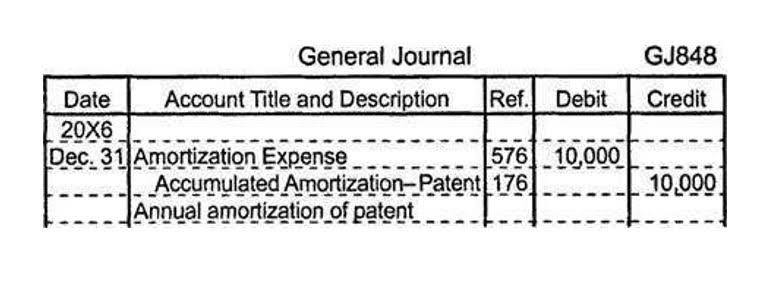
As of 2024, small business taxpayers with average annual gross receipts of $30 million or less in the prior three-year period can use it. Accrual accounting Online Accounting may indicate that a business generated profits during a specific accounting period while the recorded cash flows are yet to be received. Potentially, it can portray the business as profitable even when it lacks sufficient cash flow to finance its operations. In cases of extreme cash flow shortages, the business may even become bankrupt despite showing current profits per its financial statements. The accrual basis provides a more realistic view of the revenues and expenses that the company has than the cash basis. Therefore, it provides a better picture in evaluating the result of the company’s operation during a period of time.

What Is the Difference Between Cash Accounting and Accrual Accounting?
- As a result, it has become the standard accounting practice for most companies except for very small businesses and individuals.
- But, probably there are some remaining amounts that customers still do not pay.
- This provides a more accurate financial picture of a business’s performance, as it reflects the economic activity when it happens rather than when cash is exchanged.
- This way, it follows GAAP rules for better money management and staying in line with laws.
This approach ensures businesses make decisions based on a more accurate picture of their financial performance. For small businesses, particularly sole accrual basis accounting definition proprietors or businesses with limited resources, accrual accounting may not be the most suitable method. These businesses often operate with tight cash flow, making the delayed recognition of cash flow a significant hurdle.

Modified Accrual Accounting: Definition and How It Works
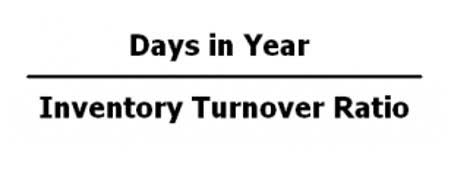
A company usually does not book accrued expenses during the month; instead, accrued expenses are booked during the close period. In summary, accruals enhance the accuracy, relevance, and comparability of financial reporting, making them an essential element of sound accounting practices for most businesses. Under the double-entry bookkeeping system, an accrued expense is offset by a liability, which appears in a line item in the balance sheet. If accrued revenue is recorded, it is offset by an asset, such as unbilled service fees, which also appears as a line item in the balance sheet. In accounting and finance, an accrual is an asset or liability that represents revenue or expenses that are receivable or payable but which have not yet been paid. This approach once again ensures that expense is recognized in the period when the service is delivered, even though the cash was paid at the end of the contract.

Cash Basis Method
- Try Freshbooks free today and see how easy it is to manage your bookkeeping and monitor your financial health from anywhere, on all your devices.
- Explore the essentials of accrual accounting, including principles, types, and how to avoid common pitfalls in financial reporting.
- This ensures your financial statements accurately reflect the work completed in that period.
- Accrual basis accounting is an accounting method that recognizes revenues and expenses when they are earned or incurred, regardless of when cash transactions actually take place.
- Therefore, the company’s financials would show losses until the cash payment is received.
- Measurability occurs when the cash flow from the revenue can be reasonably estimated.
- In summary, accruals enhance the accuracy, relevance, and comparability of financial reporting, making them an essential element of sound accounting practices for most businesses.
Accrual accounting is an important aspect of financial accounting and is used by many companies around the world. It provides a more accurate picture of a company’s financial performance and helps to ensure that its http://www.nrwpg.com.au/why-doesn-t-the-balance-sheet-equal-the-post/ financial statements are as accurate and complete as possible. In comparison, cash accounting would only record the $7,000 in revenue when payment is received, potentially obscuring the true financial performance during the month. In conclusion, accrual accounting offers small businesses better financial insights, easier management of long-term contracts, and a more accurate cash flow picture. Accrual accounting follows the matching principle, meaning revenues and related expenses are recorded in the same period to reflect accurate profits. For example, if a company provides services in December but gets paid in January, the revenue is recorded in December.
- The company records the utility cost as an accrued expense in January, even though the payment is due later.
- Due to the complexity and more detailed reporting requirements, small businesses using accrual accounting may need to hire a professional accountant or invest in advanced accounting software.
- If you run a small business that mostly deals with cash transactions, then the simplicity of the cash basis method might make it the better choice.
- For example, consider a consulting company that provides a $5,000 service to a client on Oct. 30.
- With the right software, accrual accounting can be a breeze, allowing you to focus on growing your business.

In conclusion, the right accounting method depends on your business structure, financial complexity, and long-term goals. Novo’s business banking can help you keep track of your revenue and expenses. In these cases, the company sets up a deferred revenue account (a liability) to show it has received the cash but still needs to deliver the good or service.